November 20, 2026
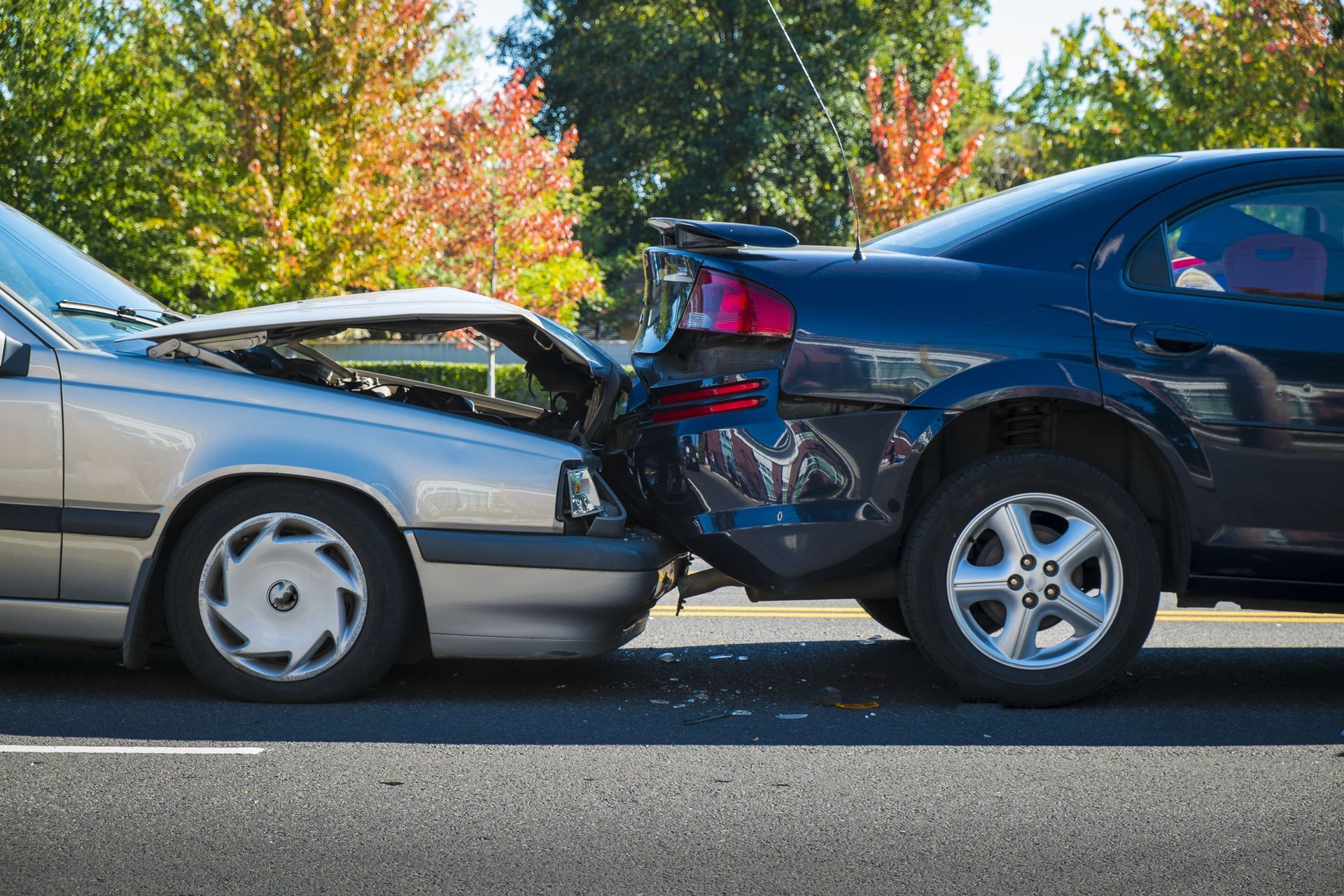
An auto accident can be stressful and confusing, especially when injuries, vehicle damage, and insurance concerns arise simultaneously. Knowing which steps to take can help protect your safety, preserve important evidence, and support future insurance or legal claims. Understanding your responsibilities after a collision also makes it easier to navigate the process. According to Forbes, car accidents make up 61% of all personal injury cases. Because collisions can have lasting physical, emotional, and financial consequences, knowing when to seek medical attention and consult car accident lawyers can make an important difference.
Prioritize Safety and Emergency Assistance
Immediately after a collision, assess your surroundings and determine whether anyone needs urgent medical attention. If possible, move your vehicle away from traffic when it is safe to do so, and turn on your hazard lights to alert approaching drivers. Avoid moving anyone who may have sustained a serious injury unless remaining in place presents an immediate danger.
Call 911 if anyone is injured, traffic is obstructed, or the situation presents a safety hazard. Provide the dispatcher with your location, the number of vehicles involved, and any known injuries. Emergency responders can provide medical assistance, secure the scene, and document relevant information about the collision. Even if an accident appears minor, pay attention to symptoms that could indicate an injury. Conditions such as concussions and soft tissue injuries may not become apparent immediately, so seeking medical evaluation can help identify potential problems and establish documentation for a future claim.
Exchange Information and Document the Scene
Once immediate safety concerns have been addressed, exchange contact and insurance information with the other driver. Record names, phone numbers, license plate numbers, insurance providers, and relevant policy information. Keep the conversation focused on necessary details rather than arguments about who caused the collision.
Document the vehicles and surrounding area if it is safe to do so. Photographs of vehicle damage, traffic signals, road conditions, and the vehicles' positions may help establish what happened. Record the date, time, location, and weather conditions while the details are still fresh.
Witnesses may also provide valuable information about the events leading up to the crash. If anyone saw the collision, ask for their name and contact information, provided they are willing to share it. Independent witness accounts can help clarify conflicting descriptions of the incident.
Preserve photographs, correspondence, medical records, and other relevant documents after leaving the scene. You should also create a written account of the accident, including your direction of travel, traffic conditions, and the sequence of events. These records can help insurance representatives and car accident lawyers evaluate the circumstances of the collision.
Communicate Carefully With Authorities and Drivers
When speaking with police officers, provide accurate information about what you observed and experienced. Answer questions honestly, distinguish between what you know and what you are unsure about, and avoid speculating about the cause of the accident. If an officer prepares a report, ask how you can obtain a copy and record the report number.
Avoid admitting fault or making definitive statements about responsibility before all the circumstances have been evaluated. An accident may involve factors that are not immediately apparent, including visibility, road conditions, vehicle defects, or the actions of multiple drivers. You can express concern for others without making assumptions about legal responsibility.
Keep discussions with other drivers brief and respectful, particularly if emotions are running high. Do not feel pressured to agree to an informal settlement or sign documents you do not understand. Car accident lawyers can explain your options and help you understand the potential consequences of decisions involving liability or compensation.
Be cautious about discussing the accident publicly. Statements, photographs, or opinions posted on social media may be reviewed during an insurance dispute or legal proceeding. Direct questions about your claim to the appropriate insurance representative or legal counsel.
Understand Your Reporting and Insurance Responsibilities
Accident reporting requirements vary by state and depend on circumstances such as injuries, fatalities, and property damage. Follow applicable rules and cooperate with law enforcement when a report is required. If you are uncertain about your obligations, consult the relevant authorities or a qualified legal professional.
Notify your insurance company promptly and provide the information requested under your policy. Be accurate when describing the incident, and retain copies of communications, claim numbers, and submitted documents. Reviewing your policy can help you understand reporting deadlines and other requirements.
Insurance adjusters may request recorded statements, medical authorizations, or additional documentation as they investigate the collision. Make sure you understand the scope and purpose of these requests before agreeing to them. Car accident lawyers can help you evaluate complicated requests, review settlement offers, and identify potential issues with an insurance claim.
Remember that the other driver's insurance company represents its policyholder and has its own interests to consider. An initial settlement offer may not account for every expense or the possibility of continued treatment. Before accepting an offer or signing a release, consider whether you understand the extent of your losses and the consequences of resolving the claim.
Seek Medical Care and Track Accident-Related Expenses
Medical attention is important even when injuries initially seem manageable. Follow your healthcare provider's recommendations and keep records of examinations, treatments, prescriptions, and follow-up appointments. If new symptoms develop after the collision, seek appropriate medical advice rather than assuming they will resolve without attention.
An accident can create expenses beyond immediate medical treatment. Lost income, rehabilitation, transportation costs, and ongoing care may affect your financial stability, particularly when recovery takes longer than expected. Maintain receipts and other records that demonstrate expenses or losses associated with the incident.
Medical documentation can help establish the connection between a collision and the injuries reported afterward. Consistent records also give insurance representatives and legal professionals a clearer understanding of the impact on your daily life. Car accident lawyers can review this information when assessing potential damages and determining what evidence may be needed to support a claim. If your injuries prevent you from working or completing normal responsibilities, document the limitations you experience and any time missed from employment. These records can help demonstrate how the collision has affected your daily activities and financial circumstances.
Understand Liability and Your Legal Options
Determining responsibility for an accident may require more than reviewing the initial police report. Investigators and insurance companies may consider witness statements, photographs, vehicle damage, traffic laws, and other available evidence. Depending on the circumstances, more than one party may share responsibility for the collision.
Legal rules governing fault, comparative negligence, and compensation differ by state. Deadlines for filing personal injury claims also vary, and missing an applicable deadline may limit your ability to pursue recovery. Getting legal guidance early can help you understand the rules that apply to your situation.
Car accident lawyers can review available evidence, explain potential legal options, and communicate with insurance companies on your behalf. They may also help identify additional evidence, evaluate settlement proposals, and determine whether pursuing further legal action is appropriate. The potential outcome depends on the circumstances of the case, the available evidence, and applicable law.
Compensation may depend on factors such as injury severity, documented financial losses, insurance coverage, and evidence establishing liability. A legal professional can explain which forms of compensation may be available and what information is needed to evaluate your claim. Reviewing settlement terms carefully is particularly important because accepting an agreement may permanently resolve claims related to the collision.
Protect Your Rights After a Collision
The decisions made after an auto accident can influence your recovery and the handling of an insurance claim. Prioritizing safety, obtaining medical care, exchanging information, and preserving relevant documentation can help establish a clear record of what happened. Staying organized and meeting applicable reporting requirements can also reduce avoidable complications.
If you have questions about liability, medical expenses, lost income, or an insurance settlement, consider speaking with car accident lawyers before making decisions that could affect your rights. Early guidance can help you understand your options and determine which steps are appropriate for your circumstances. Jacobs & Comerota can help you explore your legal options following an auto accident. Contact Jacobs & Comerota to discuss your collision, understand your potential rights, and learn about the next steps toward protecting your interests.